Reviewing One Thankful Pre-k Teacher for Embroidery
As a designer who spends more time staring at stitch simulations than I care to admit, I have learned that not every cute graphic translates well into thread. We often see designs labeled as machine embroidery design files that are clearly just SVGs converted without much thought for fabric tension or needle penetration. When I first pulled up the One Thankful Pre-k Teacher file, my initial reaction was cautious optimism. The theme is evergreen—educators love personalized gear, and the "thankful" sentiment fits perfectly into autumn decor, back-to-school promotions, and end-of-year appreciation gifts.
But does it hold up under the needle? I decided to test this digital embroidery file in a real-world scenario to see if it belongs in your professional toolkit or if it’s better left as a screen-print-only asset.
First Impressions: Mood and Layout
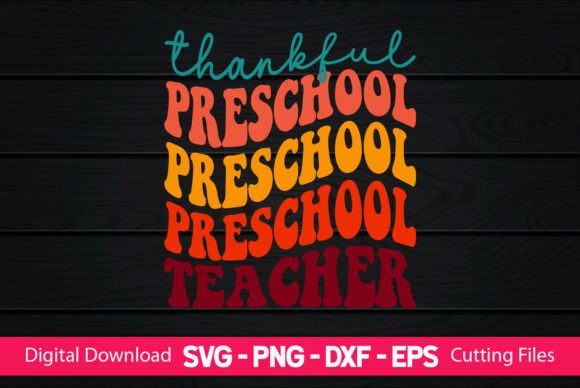
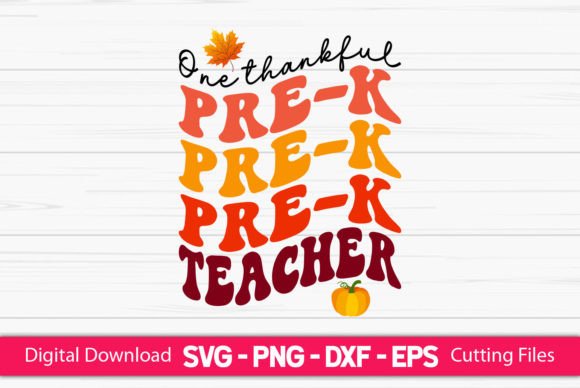
The visual personality of One Thankful Pre-k Teacher is warm and approachable. It doesn’t scream for attention with aggressive boldness; instead, it offers a gentle, appreciative vibe that resonates with the target audience. For those of us in the Crafts and Graphics space, we know that typography is king in these niche markets. The layout appears balanced, with enough negative space to prevent the stitches from merging into an unreadable blob, which is a common pitfall in teacher-themed designs.
The mood is distinctly seasonal yet timeless enough for year-round use in preschool settings. When I visualize this on a product, I don’t see it as a loud statement piece. I see it as a subtle badge of pride for a educator who loves their job. This subtlety is crucial for high-end handmade product lines where customers pay for elegance, not just novelty.
Real-World Application: The Tote Bag Test
To truly evaluate the design, I imagined producing a run of canvas tote bags for a local boutique. Canvas is a forgiving medium, but it requires specific handling. I envisioned placing One Thankful Pre-k Teacher on the lower right corner of a natural cotton tote. This placement is popular for tote bag design because it feels modern and unobtrusive.
In this context, the design performs well. The lines are clean enough that they wouldn’t get lost in the weave of the canvas. If you are an Etsy seller looking to expand your small shop product range, this type of application is ideal. It transforms a generic bag into a personalized gift that feels thoughtful. The design’s simplicity means it won’t overpower the texture of the fabric, allowing the material quality to shine through while still delivering the message.
I also considered this for sweatshirt embroidery. Here, the stakes are higher. Fleece and cotton blends can be tricky. If the design has too much density, it will pucker. If it’s too light, the fabric shows through. Based on the visual structure of One Thankful Pre-k Teacher, it seems suited for a medium-density fill. However, I would strongly advise using a cut-away stabilizer for sweatshirts to ensure the design remains flat and doesn’t distort after washing.
Technical Considerations for Stitching
Let’s talk about the nuts and bolts. Since the product description lists this as an SVG, PNG, DXF, and EPS package, it is primarily marketed toward cutting machines like Cricut and Silhouette. This is a critical distinction for embroidery designers. You cannot simply import an SVG into your embroidery software and expect magic. You must digitize it or ensure you have purchased the specific embroidered version if available.
If you are working with the vector files to create your own applique design or digitizing it from scratch, pay close attention to the corners. Sharp angles in text or graphics need to be softened with proper underlay stitching to prevent thread breaks. For the lettering in One Thankful Pre-k Teacher, a satin stitch might look premium, but only if the letters are wide enough. If the font is thin, you may need to switch to a running stitch or a narrow fill to maintain legibility.
Stitch density is another factor. On textured fabrics like terry cloth towels or waffle knit blankets, a low-density design will disappear. Conversely, on thin performance tees, a high-density design will cause puckering. Always test the design on scrap fabric first. Check thread color contrast meticulously. A dark thread on a dark shirt might look sophisticated in a mockup but invisible in real life. I recommend testing One Thankful Pre-k Teacher in both light and dark backgrounds to see how the visual weight shifts.
Where to Use Caution
While versatile, this design is not universal. I would hesitate to use it on curved surfaces like caps unless the design is specifically resized and re-digitized for a small hoop. The curvature of a cap distorts horizontal lines, and if One Thankful Pre-k Teacher relies on straight baselines, it might look warped. Similarly, avoid using it on stretchy spandex or lycra without heavy stabilization, as the movement of the fabric will distort the stitches over time.
Also, consider the washability. Items like baby embroidery projects or kitchen towels undergo frequent, harsh washing. Ensure that your stitch types are secure. Satin stitches can snag if they are too long; breaking them up with tack-down stitches can improve durability. If you are selling these as commercial embroidery products, durability is part of your brand promise.
Enhancing Brand Value and Customer Trust
Why choose this specific design? Because it speaks directly to a passionate community. Pre-K teachers often feel underappreciated, so a product that says "Thankful" hits an emotional chord. When you use One Thankful Pre-k Teacher in your craft business, you are not just selling a stitched item; you are selling recognition. This increases the perceived value of your finished product.
For digital product sellers, using this graphic in printable mockups can boost engagement. Show the design on a cozy sweater or a sturdy apron in your listing photos. Help the customer visualize the end result. This builds trust and reduces hesitation. Consistency in your design assets helps build a recognizable brand. If your shop specializes in educator gifts, this design fits seamlessly into that narrative.
Final Designer Notes
Before you commit to a large production run or list this as a new item, do your homework. Confirm the licensing terms. Just because you have the SVG does not automatically grant you rights to sell physical embroidered goods if the license is for personal use only. Always read the fine print. If you are digitizing this yourself, check the stitch count and optimize the path to minimize jumps and trims.
Test different thread colors. Sometimes a monochromatic look (same color thread as fabric) creates a sophisticated, textured effect that sells well in boutique markets. Other times, a high-contrast color pop is what catches the eye on social media. Use printable mockup tools to preview these variations before stitching a single thread.
In conclusion, One Thankful Pre-k Teacher is a solid candidate for your next embroidery project. It has the right emotional resonance and visual clarity to perform well on apparel and home goods. With proper digitization, stabilizer selection, and fabric pairing, it can become a bestseller in your small shop product lineup. Treat it with the technical respect it deserves, and it will reward you with clean, professional results that customers will love to wear and share.