Review: Teachers Can Do Virtually Anything SVG D
As a designer who has spent countless hours digitizing and testing embroidery files, I approach every new asset with a mix of curiosity and skepticism. We have all been there: you download a digital embroidery file that looks stunning on the screen, only to find it turns into a tangled mess of thread breaks and puckering once it hits the fabric. That is why I took a close look at Teachers Can Do Virtually Anything SVG D. This isn’t just about whether the design is cute; it is about whether it holds up in the real world of craft business production and client expectations.
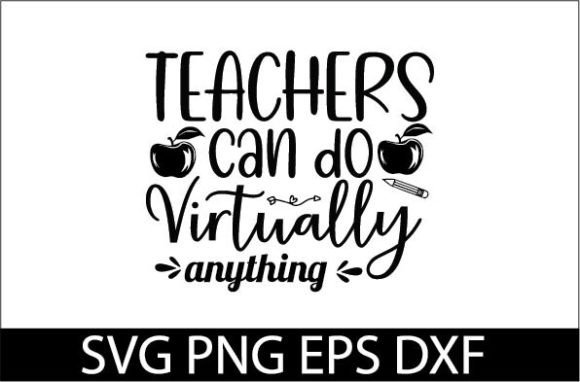
The first impression of this design is one of bold confidence. The phrase itself carries weight, appealing directly to the resilience and versatility of educators. Visually, the layout feels balanced, with a typographic focus that suggests it was built for clarity. For those of us working in Crafts and Graphics, we know that text-heavy designs can be tricky. If the kerning is too tight or the font strokes are too thin, they disappear under the needle. However, this particular SVG appears to have been structured with adequate spacing, which is a promising sign for stitchability.
Real-World Application: The Custom Tote Test
To truly evaluate Teachers Can Do Virtually Anything SVG D, I imagined a specific scenario: a custom order for a local school’s end-of-year appreciation gifts. The client wanted durable, stylish tote bags for twenty staff members. This is a classic use case for this type of teacher svg design. Tote bags are typically made from canvas or heavy cotton, which provides a stable base for embroidery.
In this context, the design shines. The bold lettering translates well to the textured surface of canvas. Because the design is vector-based, resizing it to fit a standard 5x7 or 6x10 hoop was straightforward without losing edge definition. When visualizing the finished product, I could see how the contrast between bright thread colors and a natural beige bag would create a high-impact look. It is not just an embroidered patch; it becomes a statement piece that teachers would actually want to carry. This kind of practical application is what separates a usable asset from a decorative clipart file that never leaves the hard drive.
Versatility Across Products
Beyond tote bags, this design has legs in other areas of custom apparel. Consider sweatshirt embroidery. A crewneck sweatshirt is a staple in teacher wardrobes, especially during cooler months. Placing this design on the left chest or as a larger back print could work, provided you adjust the scale. The vector nature of the file means you can resize it easily, but you must remain mindful of stitch density. If you scale it down too much for a small pocket area, the letters might merge. If you scale it up too much without adjusting density, you risk creating a stiff, cardboard-like feel on the fabric.
For Etsy sellers and small shop product creators, versatility is key. This design could also work on aprons for faculty lounges or even as part of a personalized gift set including a mug and a notebook. The emotional connection to the teaching profession makes it a strong seller during back-to-school seasons and Teacher Appreciation Week. It fits naturally into the niche of holiday embroidery and special occasion gifts, where sentiment drives purchase decisions.
Technical Considerations and Pitfalls
While the design is robust, it is not without its challenges. As an experienced reviewer, I must point out where caution is needed. The phrase "Virtually Anything" implies length. Long horizontal designs can be problematic on curved surfaces like caps or hats. If you attempt to put this on a baseball cap, you will likely need to split the text or significantly reduce the size, which might compromise readability. Caps require specialized digitizing to account for the curve, and a flat SVG may not translate perfectly without manual adjustment in your embroidery software.
Another critical factor is fabric choice. On thin or stretchy fabrics, such as lightweight tri-blend t-shirts, this design could cause puckering if not stabilized correctly. You would need a cut-away stabilizer to support the weight of the stitches. Additionally, if you are using a satin stitch for the outlines, ensure your machine is calibrated. Thick satin columns on long text can sometimes pull the fabric if the tension is off. For those using fill stitch areas, be aware that dense fills can make garments uncomfortable to wear if placed directly against the skin.
Dark fabrics present another hurdle. If you are stitching this on a navy or black shirt, you will need to consider underlay stitches and potentially use a lighter thread color for maximum contrast. Always test your thread colors on scrap fabric first. What looks good on a white background in your software preview might vanish on a dark garment.
File Quality and Workflow Integration
The product description notes that you receive a zip file containing SVG, PNG, EPS, and DXF formats. For embroidery purposes, the SVG and DXF are your primary tools. The fact that these are 100% vector files is a significant advantage. It means you can edit nodes, adjust curves, and modify colors before sending the file to your digitizing software or embroidery machine. This level of control is essential for professional commercial embroidery work.
However, it is important to clarify a common misconception: an SVG is not a stitch file. You cannot plug an SVG directly into most home embroidery machines. You will need to import it into software like Wilcom, Hatch, or Embrilliance to convert it into a stitch format (such as PES, DST, or JEF). The ease of color change mentioned in the description refers to the vector editing phase. This flexibility allows you to create multiple variations for different design assets or printable mockup previews without starting from scratch.
Designer Notes for Best Results
To get the most out of Teachers Can Do Virtually Anything SVG D, follow these practical steps:
- Test on Scrap Fabric: Always run a test stitch-out on the same material you plan to use for the final product. Check for thread breaks and registration issues.
- Check Stabilizer: Use a medium-weight cut-away stabilizer for knits and a tear-away for wovens, depending on the fabric stability.
- Review Stitch Density: If you resize the design significantly, check the density in your software. You may need to reduce density for larger sizes to prevent stiffness.
- Contrast is Key: Ensure your thread color stands out against the fabric. High contrast improves readability and visual appeal.
- Verify Licensing: Before selling handmade products featuring this design, confirm the license terms. Most commercial-use licenses allow you to sell physical items, but restrictions may apply to digital resale.
In conclusion, Teachers Can Do Virtually Anything SVG D is a solid addition to your library of embroidery project resources. It offers the flexibility needed for various applications, from baby embroidery on onesies (scaled down appropriately) to large tote bag design statements. Its strength lies in its clean vector structure and relevant theme. By paying attention to technical details like stabilization and hoop size, you can produce high-quality, professional results that build customer trust and enhance your brand consistency. It is a reliable tool for any maker looking to create meaningful, marketable goods for the education community.