Review: 100 Days Preschool Girls Messy Bun Design
As a designer who spends more time staring at stitch simulations than I care to admit, I have learned that not every digital file translates well to fabric. The gap between a crisp SVG on a screen and a finished embroidery project can be wide, filled with potential pitfalls like thread breaks, puckering, or lost details. Recently, I evaluated the 100 Days Preschool Girls Messy Bun design to determine its viability for real-world applications. This isn't just about whether the graphic looks cute; it is about whether it holds up under the needle when you are trying to run a efficient craft business or create a memorable personalized gift.
First Impressions and Visual Personality
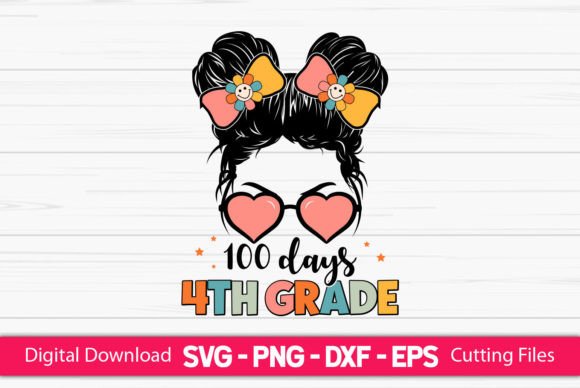
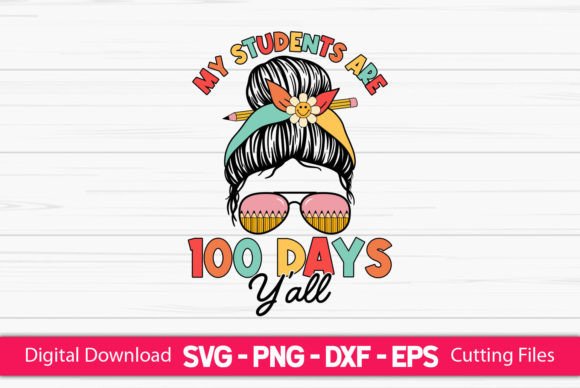
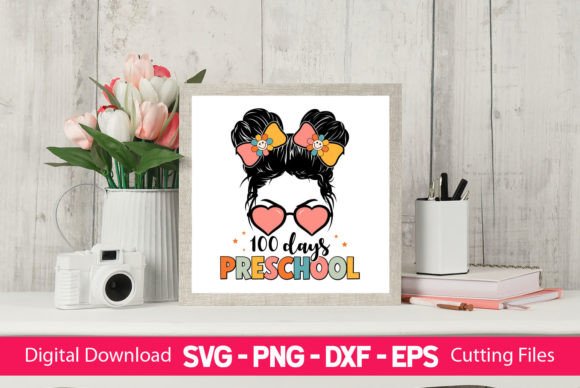
The first thing that strikes you about the 100 Days Preschool Girls Messy Bun is its thematic clarity. It captures a very specific, trendy aesthetic that resonates with modern parents and teachers. The "messy bun" motif combined with the "100 Days" milestone creates an immediate emotional connection. It feels playful yet polished, which is a difficult balance to strike in Graphics intended for textile use. The layout suggests a central focal point, likely the hair bun and accompanying text, which is crucial for embroidery. In machine work, you cannot rely on subtle gradients or shadows; you need strong shapes and clear lines. This design appears to prioritize bold silhouettes, which is a positive indicator for stitching clarity.
When I visualize this as a machine embroidery design, I am looking for how the elements interact. Does the text compete with the graphic? In many poorly designed files, the lettering gets lost in the fill stitches of the image. Here, the separation seems intentional. The mood is celebratory and youthful, making it an ideal candidate for baby embroidery projects or elementary school commemorative items. It does not feel cluttered, which gives me confidence that it will digitize cleanly without excessive jump stitches or unnecessary complexity.
Real-World Application: The Sweatshirt Test
To truly judge a design, you must imagine it on a product. I pictured this design applied to a heather grey youth-sized sweatshirt. This is a high-demand item for Etsy sellers and small shop product lines during the spring semester. The 100 Days Preschool Girls Messy Bun would sit prominently on the chest or slightly off-center for a boutique look. Because the theme is specific to the 100th day of school, the window for sales is narrow, but the demand is intense. Parents want something that looks professional, not homemade in a messy way.
In this scenario, the design’s performance depends heavily on stitch type. If the bun is rendered with a satin stitch, it will have a lovely sheen that contrasts nicely with the matte fabric of a cotton blend sweatshirt. However, if the design relies too heavily on fill stitch areas without proper underlay, it could become stiff and uncomfortable for a child to wear. As a reviewer, I advise checking the density. A good embroidery file for apparel should breathe. If the design is too dense, it will pucker the fabric, ruining the finished product before it even leaves the hoop.
Versatility Across Product Lines
Beyond sweatshirts, this design has legs in other categories. Consider a canvas tote bag design. The sturdy nature of canvas can handle higher stitch densities, allowing for a larger, more impactful version of the 100 Days Preschool Girls Messy Bun. It could also work beautifully as an embroidered patch. Patches are trending in the Crafts community because they allow for intricate details that might be tricky on stretchy fabrics. By stitching the design on twill or felt and then applying it as a patch, you bypass the stability issues of thin garments. This approach adds value, turning a simple digital download into a premium handmade product.
For custom apparel decorators, this design could also be adapted for caps. However, curved surfaces require careful hooping and often a different digitizing strategy. If the original file is not specifically optimized for caps, the text might distort. I recommend testing a small version on a scrap piece of structured cap material before committing to a full production run. The key is maintaining the legibility of the "100 Days" text, which is the core message of the piece.
Technical Considerations and Pitfalls
While the aesthetic is strong, practical execution requires vigilance. One major concern with any design featuring fine details, such as stray hairs in a "messy bun," is the risk of thread breaks or poor coverage on textured fabrics. If you are stitching on a terry cloth towel or a fuzzy fleece blanket, those tiny running stitch details may disappear. In such cases, simplifying the design or increasing the stitch weight might be necessary. Always test the design on scrap fabric that matches your final product. This is non-negotiable for professional commercial embroidery work.
Fabric choice plays a massive role. On dark fabrics, you need high-contrast thread colors. A pastel bun on a navy shirt will look washed out unless you use a bright white or vibrant accent color. Conversely, on light fabrics, ensure your bobbin thread matches the top thread to prevent show-through. The 100 Days Preschool Girls Messy Bun likely uses multiple colors, so managing thread changes efficiently is key to keeping production costs down. If you are an Etsy seller, time is money. A design that requires ten thread changes for a small logo is less profitable than one that achieves the same look with three or four.
Hoop Size and Stabilization
Before purchasing or downloading, confirm the available sizes. The description mentions it is a digital file for cutting machines, including SVG, PNG, DXF, and EPS formats. Wait—this is a critical distinction. The product title says "embroidery," but the file types listed (SVG, PNG, DXF, EPS) are primarily for cutting machines like Cricut or Silhouette, or for printing. True embroidery machines typically use DST, PES, JEF, or EXP files. If you are an embroiderer, you must verify if an actual embroidery file is included or if you are expected to digitize this graphic yourself. If it is purely a cut file, you cannot send it directly to an embroidery machine. You would need to use it for heat transfer vinyl (HTV) or printed transfers. Clarifying this is essential for design assets management.
Assuming you are using it for its intended purpose (whether cutting or embroidery), stabilization is key. For stretchy fabrics like t-shirts, use a cut-away stabilizer to prevent distortion over time. For woven fabrics like tote bags, a tear-away might suffice. The goal is to keep the stitch density balanced so the fabric does not pucker. A puckered holiday embroidery gift looks amateurish and undermines customer trust.
Commercial Value and Brand Consistency
From a business perspective, the 100 Days Preschool Girls Messy Bun fits well into a seasonal marketing strategy. It allows creative entrepreneurs to tap into a specific niche market. When used in printable mockup previews, ensure the lighting and texture of the mockup reflect the quality of the actual stitch or cut. Misleading images lead to refunds and negative reviews. Transparency about the file types and intended use builds long-term buyer engagement.
Ultimately, this design offers a solid foundation for a variety of small business merchandise. Whether you are creating boutique branding items or one-off personalized products, the visual appeal is there. Just remember to do your homework. Check the license terms carefully. Can you sell finished items? Can you share the digital file? Most designers prohibit reselling the raw file, but allow selling the physical embroidered item. Respecting these boundaries is part of being a professional in the Crafts industry.
In conclusion, the 100 Days Preschool Girls Messy Bun is a charming, timely design with strong commercial potential. Its success lies in the execution. Choose the right fabric, use the proper stabilizer, and verify your file compatibility. If you treat it with the technical respect it deserves, it will result in a high-quality finished product that delights customers and enhances your reputation as a skilled maker.