One Lucky Math Teacher Graphics for Crafts
As a graphic designer who spends half my life tweaking kerning and the other half explaining to clients why Comic Sans is not the answer, I approach every new graphic design asset with a healthy dose of skepticism. We are constantly bombarded with digital products that promise to elevate our creative design workflows, but few deliver the versatility required for professional, client-facing work. Recently, I had the opportunity to review One Lucky Math Teacher, a design file marketed toward the crafting community. My goal was not just to see if it looked cute on a mug, but to determine if it held up under the scrutiny of real-world commercial design applications.
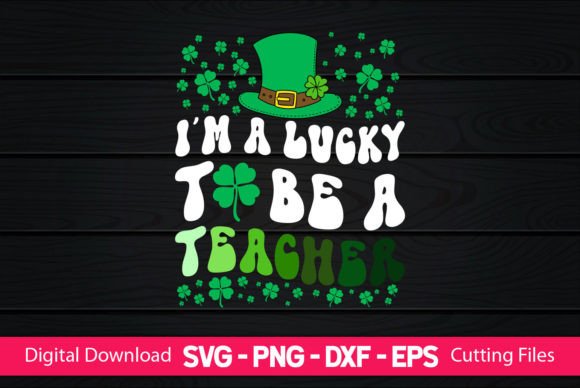
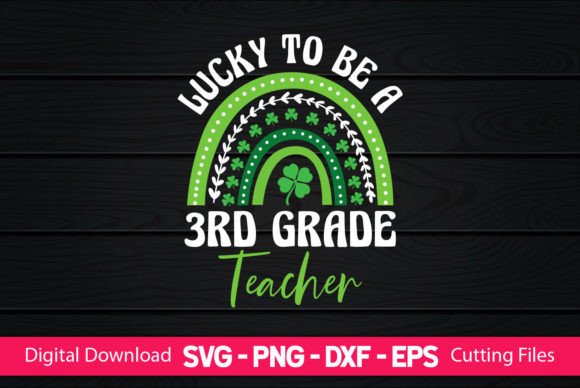
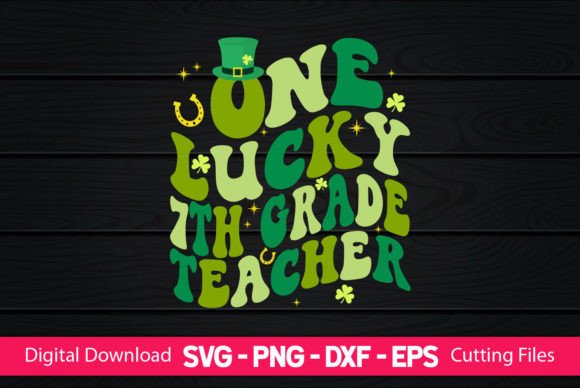
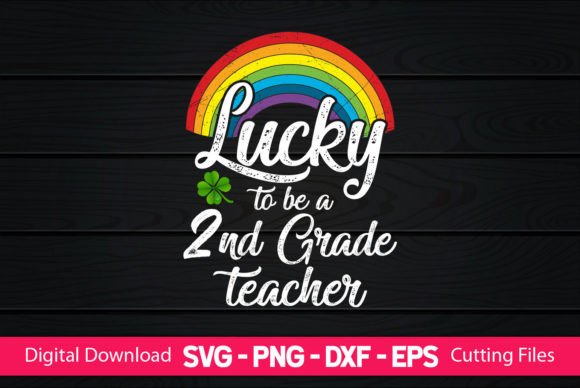
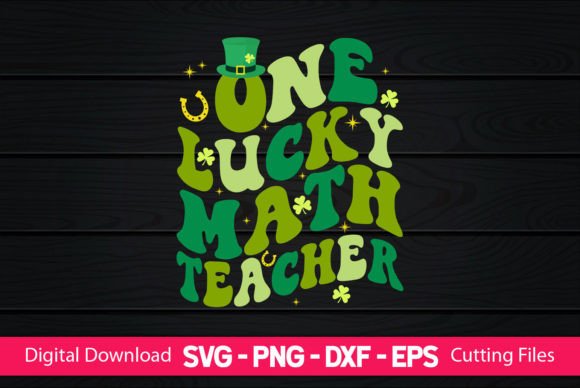
The first impression of One Lucky Math Teacher is one of approachable warmth. It does not scream for attention with aggressive typography or chaotic illustrations. Instead, it offers a balanced composition that blends playful educational motifs with clean, readable lettering. For a designer, this initial visual mood is crucial. It suggests a style that is friendly yet organized, making it an ideal candidate for projects targeting educators, school staff, or parents involved in STEM education. The aesthetic leans into a modern, handmade vibe that feels authentic rather than mass-produced, a quality that is increasingly valuable in today’s saturated creative marketplace.
Integrating the Asset into Client Branding
Let’s frame this within a realistic scenario. Imagine a client who runs a small boutique specializing in teacher appreciation gifts. They need a cohesive look for their upcoming spring campaign. This is where One Lucky Math Teacher transitions from a simple clipart to a strategic brand identity element. Because the design is available as an SVG, PNG, DXF, and EPS, it offers the flexibility needed for various outputs. I tested the SVG format in Adobe Illustrator, and the vector paths were clean, allowing for easy color customization to match the client’s specific brand palette.
In terms of marketing visuals, this asset performs exceptionally well on physical products. I mocked up the design on tote bags, ceramic mugs, and enamel pins. The line weight was substantial enough to remain visible when scaled down for smaller items like stickers, yet detailed enough to look intentional on larger formats like poster prints. For print-on-demand sellers, this versatility is a major selling point. You are not limited to one application; you can create a entire product line around a single theme, ensuring consistency across your Etsy product listings.
Performance in Digital and Social Contexts
Beyond physical goods, I evaluated how the design functioned in digital spaces. Social media managers and content creators often struggle to find graphics that do not look generic. One Lucky Math Teacher provides a unique anchor for social media graphics. I placed the PNG version over textured backgrounds in Canva, creating templates for Instagram posts and Pinterest pins. The transparency of the PNG file was crisp, with no jagged edges, which is a common issue with lower-quality digital products. This allowed the design to sit naturally within complex layouts without requiring excessive masking or editing.
For bloggers and publishers focusing on education or parenting niches, this asset serves as an excellent header image or sidebar decoration. It adds a layer of personality to editorial design without overpowering the text. When used in web design elements, such as email newsletter headers, the design’s clear hierarchy ensures that the message is communicated instantly. In an era where users scroll quickly, visual clarity is paramount, and this design delivers that immediate recognition.
Strategic Placement and Visual Hierarchy
Understanding where to place a design asset is just as important as the asset itself. One Lucky Math Teacher works best in layout areas that allow it to breathe. It shines as a hero graphic on packaging or as a central focal point on a t-shirt. However, designers must be cautious. Because the design includes both text and illustrative elements, it can become illegible if shrunk too small or placed against busy, low-contrast backgrounds. I found that it struggled slightly when overlaid on patterned fabrics without a solid backing shape, which disrupted the visual hierarchy.
For minimalist branding or corporate materials, this asset might feel too casual. It is specifically tuned for emotional appeal and community engagement, making it perfect for local events, school fundraisers, or handmade businesses. It builds trust through its relatable aesthetic, but it should not be forced into contexts that require strict professionalism or sterile cleanliness. Knowing these boundaries is what separates amateur crafters from professional designers.
Practical Designer Notes for Commercial Use
Before integrating any new file into a client project, I run a standard checklist. Here is my assessment of One Lucky Math Teacher based on technical performance:
- File Format Verification: The inclusion of DXF and EPS files is a significant advantage. While SVG is standard for Cricut and Silhouette machines, having EPS ensures compatibility with older vector software and high-end printing presses. Always verify the integrity of these files upon download.
- Contrast Testing: I tested the design in pure black and white to ensure the lines held up without color reliance. It passed this test with flying colors, meaning it is suitable for single-color vinyl cutting and cost-effective printing methods.
- Scalability: As a vector-based SVG, the design scales infinitely without pixelation. However, when using the PNG version, always check the resolution. For large format prints like banners, stick to the vector formats to maintain sharpness.
- Licensing Compliance: This is non-negotiable. Before using this in a commercial license capacity for a client, confirm the specific terms provided by the creator. Most assets in this category allow for physical end-products but restrict the resale of the digital file itself.
- Typography Pairing: If you are incorporating this into a larger layout, pair it with simple sans-serif fonts for body text. The design already has a strong personality, so adding competing script or display fonts can create visual clutter.
In conclusion, One Lucky Math Teacher is more than just a cute phrase for a teacher’s lounge. It is a robust design bundle component that, when used correctly, can elevate small business branding and product mockups. It bridges the gap between niche crafting and professional graphic design, offering the reliability needed for commercial projects. For designers looking to add a touch of warmth and specificity to their educational or gift-oriented collections, this asset is a worthy addition to your library. Just remember to respect its limits regarding scale and background complexity, and it will serve your clients well.